
Why SPINEBO
Neck pain from postural strain
Maintaining proper posture is one of the most important factors in preventing neck pain while working at your computer. Unfortunately, sitting for several hours can cause significant postural strain in the neck, back, and shoulders. As you continue to work in the same position, the muscles around your spine and shoulder girdle become tense or guarded which leads to significant pain and fatigue throughout the neck and upper back region. Not to mention constantly looking down at your smartphone or computer can really make your neck ache — a problem that has been dubbed “text neck” or tech neck.
Too soft? Too hard?
Your head and neck spend many hours every night on your pillow, which is why choosing the right one is key to a healthy, pain-free neck. A pillow that does not support your head and neck properly can create tension in your neck muscles, and cause neck pain. Feather pillows cause the most neck pain. They may be affordable, but feather pillows do not provide much neck stability. These feel super comfy when you first settle in, but the feathers move when you do, so you wind up with no support, causing you much pain.
Sore neck as you are waking up?
While it tends to affect people the most in middle age, but neck pain can impact anyone. Your sleeping position and pillow may play a role in continuing pain. Stomach sleepers, for example, may face the most neck pain. This position means your neck is turned to either side and your spine is arched. For relief, experts recommend trying to sleep either on your back or on your side and choosing a pillow that helps support the neck and its natural curve.
From the textbook
There are seven cervical bones in the spine known as vertebrae, specifically the C1 through C7 vertebrae, each having a specific function. They are held in place by muscles and ligaments, responsible in supporting your head and its rotational range of motion. A misaligned vertebra can create number of issues, including affecting the following body systems:
- Pituitary hormones
- Brain function
- Facial bones
- Ear (inner and middle)
- Mental health (nervousness and depression)
- Balance
A Spinebo a day keeps the doctor away
The main role of a pillow during sleep is to support the cervical spine in a neutral position. They are intended to support the head and neck in a neutral position to minimize biomechanical stresses on cervical structures whilst sleeping. This prevents adoption of more ‘end-range’ cervical spine postures during sleep, which are believed to increase biomechanical stresses on cervical spine structures. An unsupportive pillow can compromise pain-sensitive structures and produce waking symptoms, such as cervical pain and stiffness, headache, scapular, or arm pain.
What’s an orthopaedic pillow?
An orthopaedic pillow is a pillow designed to correct body positioning in bed or while lying on any other surface. Its design conforms to orthopaedic guidelines to ensure the right placement and support of one or more specific parts of the body to provide safe and healthy rest to the sleeper. It cradles the neck and keeps the head in a neutral position; compared to regular pillows which give elevation to the neck from the shoulder and can result in a stiff neck the next morning.
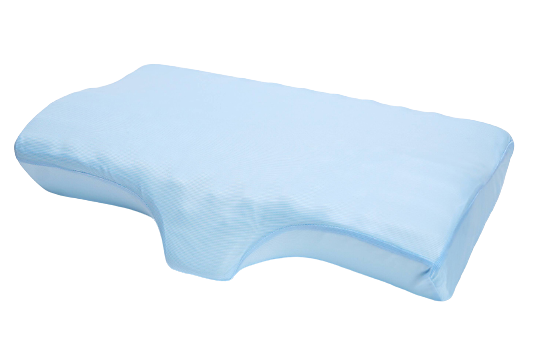

It promotes an ergonomic sleeping posture by maintaining proper spinal and neck alignment, hence reducing neck and back pain. It relieves issues relating to sleep like apnoea or snoring by decreasing obstruction and to promote better airflow. The list of benefits just goes on.
Quick tips from the doctor
To help prevent neck pain when you wake up, there are steps you can take to support your neck and reduce the strain on your neck muscles.
- If you usually sleep on your stomach, try sleeping on your side or back instead.
- When sleeping on your side, make sure the pillow isn’t higher under your head than it is under your neck. Straining your muscles even a little during the night can cause soreness by morning.
- Pillows made with “memory foam” can also conform to the contours of your head and neck and can help keep your neck supported.
- Avoid using a pillow that is too stiff or too deep. This can cause your neck muscles to be flexed overnight.
- During the day, try to maintain proper posture when standing, walking, and sitting, particularly when at a desk or using a computer. Avoid hunching your shoulders and bending your neck too far forward.
- Try to hold your phone at eye level instead of bending your neck forward to look at it.
- Avoid tucking your phone between your ear and your shoulder.
- Exercise regularly. Physical activity can help strengthen your muscles, including those in your neck. It can also help improve your posture and relieve stress that may be causing stiff muscles.